
AI Breakthroughs Shaping Everyday Life
Artificial intelligence is no longer confined to research labs or futuristic product demos. It now influences how people communicate, shop, travel, learn, and manage their health. What makes this moment significant is not just the power of AI systems, but their growing ability to operate quietly in the background of everyday experiences. From smarter search tools to adaptive assistants and safer vehicles, AI has become a practical layer in modern life.
The most important breakthroughs are not always the most dramatic. In many cases, they are the innovations that reduce friction, save time, personalize services, and help people make better decisions. As AI capabilities improve, the technology is becoming more accessible to households, workers, students, and consumers across many industries.
From Specialized Systems to Daily Utility
Earlier generations of AI were typically designed for narrow tasks such as recognizing faces, recommending products, or filtering spam. Today’s advances are broader and more flexible. Modern AI systems can understand natural language, generate content, summarize information, detect patterns in large datasets, and support complex decisions in real time. This shift has made AI more useful in ordinary settings, where people value convenience, speed, and clarity.
A major breakthrough has been the improvement of multimodal AI, which can work across text, images, audio, and sometimes video. This allows digital tools to interact with users in more natural ways. A person can speak to an assistant, upload a photo for analysis, or ask for a written summary of a long document. These interactions feel less like using software and more like collaborating with a capable system.
Smarter Communication and Personal Assistance
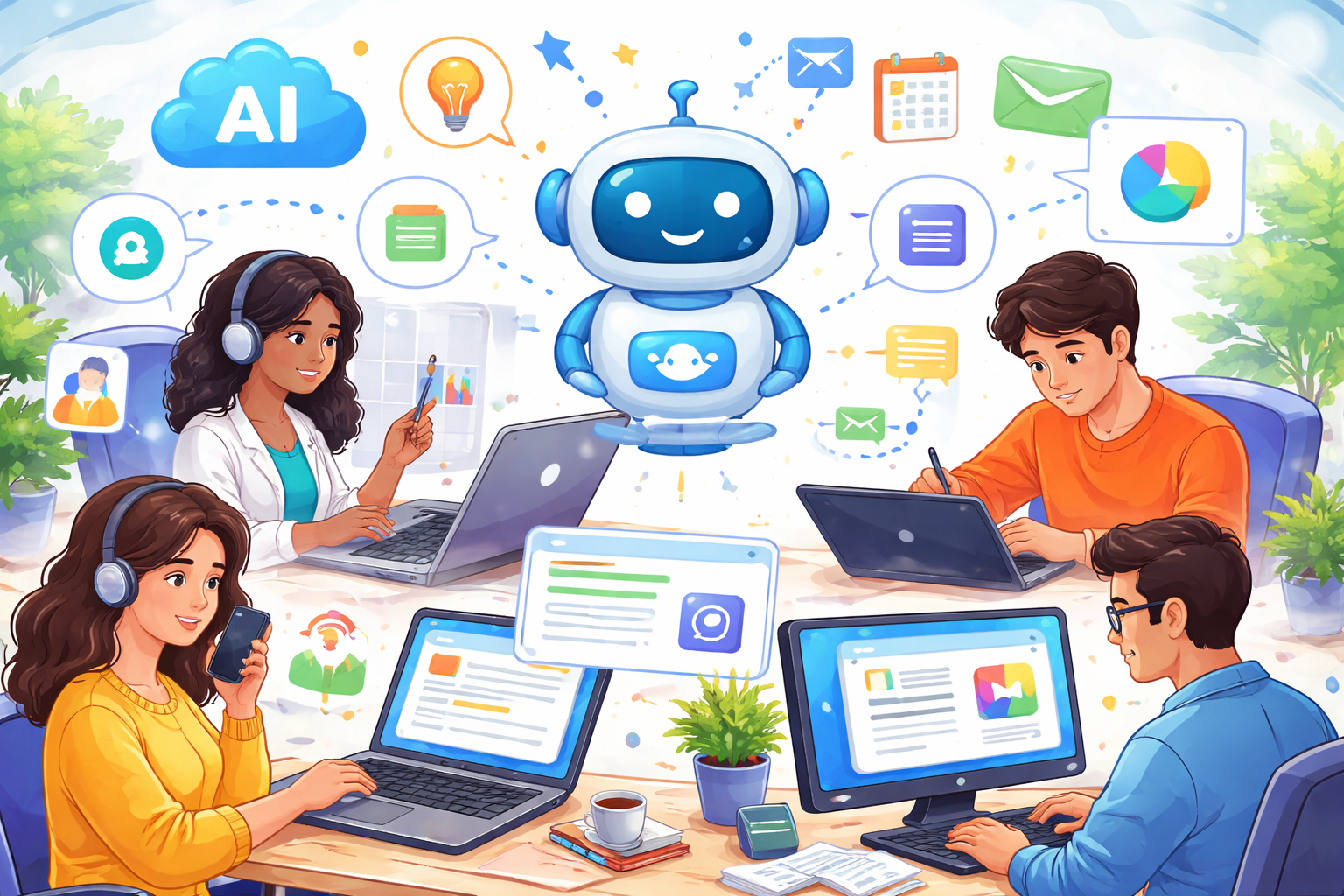
One of the clearest signs of AI progress is the rise of intelligent assistants that can draft emails, translate text, summarize meetings, organize schedules, and answer questions in plain language. These tools reduce routine effort and help users handle information overload more effectively. Instead of navigating multiple apps and menus, people can increasingly rely on conversational interfaces to complete tasks.
Speech recognition and language generation have improved enough to make voice interaction more practical in homes, cars, and workplaces. Real-time transcription, multilingual support, and contextual responses have expanded access for users with different needs and preferences. For businesses, this means faster customer support and more efficient internal collaboration. For individuals, it means technology that feels more responsive and less mechanical.
AI in Healthcare and Personal Well-Being
Healthcare is another area where AI breakthroughs are increasingly visible in everyday life. AI tools help analyze medical images, support clinical decision-making, monitor patient data, and improve administrative workflows. While these systems do not replace medical professionals, they can help identify patterns faster and support more timely care.
Consumers also encounter AI through wellness apps, wearable devices, and digital health platforms. These tools can track sleep, activity, heart rate trends, and other signals that help users better understand their routines. In practical terms, AI supports prevention and awareness by turning raw personal data into useful insights. The long-term value lies in helping people act earlier, ask better questions, and maintain healthier habits.
Workplace Productivity and Creative Collaboration
AI is reshaping work by automating repetitive tasks and supporting knowledge-heavy roles. Professionals now use AI to generate first drafts, extract action items from meetings, organize research, write code, and analyze large volumes of text. This does not eliminate the need for human judgment. Instead, it changes how time is spent, allowing workers to focus more on strategy, review, and problem-solving.
Creative industries are also adapting to AI-assisted workflows. Designers, marketers, writers, and video teams use AI tools to accelerate ideation, test variations, and improve production speed. The breakthrough is not simply that AI can produce outputs, but that it can participate in iterative creative processes. Human direction remains essential, especially when quality, originality, ethics, and brand trust matter.
Transportation, Navigation, and Safer Mobility
AI has become deeply embedded in transportation systems. Navigation apps use machine learning to predict traffic, recommend routes, estimate arrival times, and adjust directions based on changing conditions. Drivers benefit from advanced safety features such as lane monitoring, collision alerts, and driver-assistance systems that rely on AI-based perception.
In logistics and delivery, AI helps optimize routes, forecast demand, and manage supply chains more efficiently. These improvements affect everyday life indirectly but meaningfully. Faster deliveries, more reliable transportation planning, and fewer delays are often the result of AI operating behind the scenes.
Personalized Shopping and Entertainment
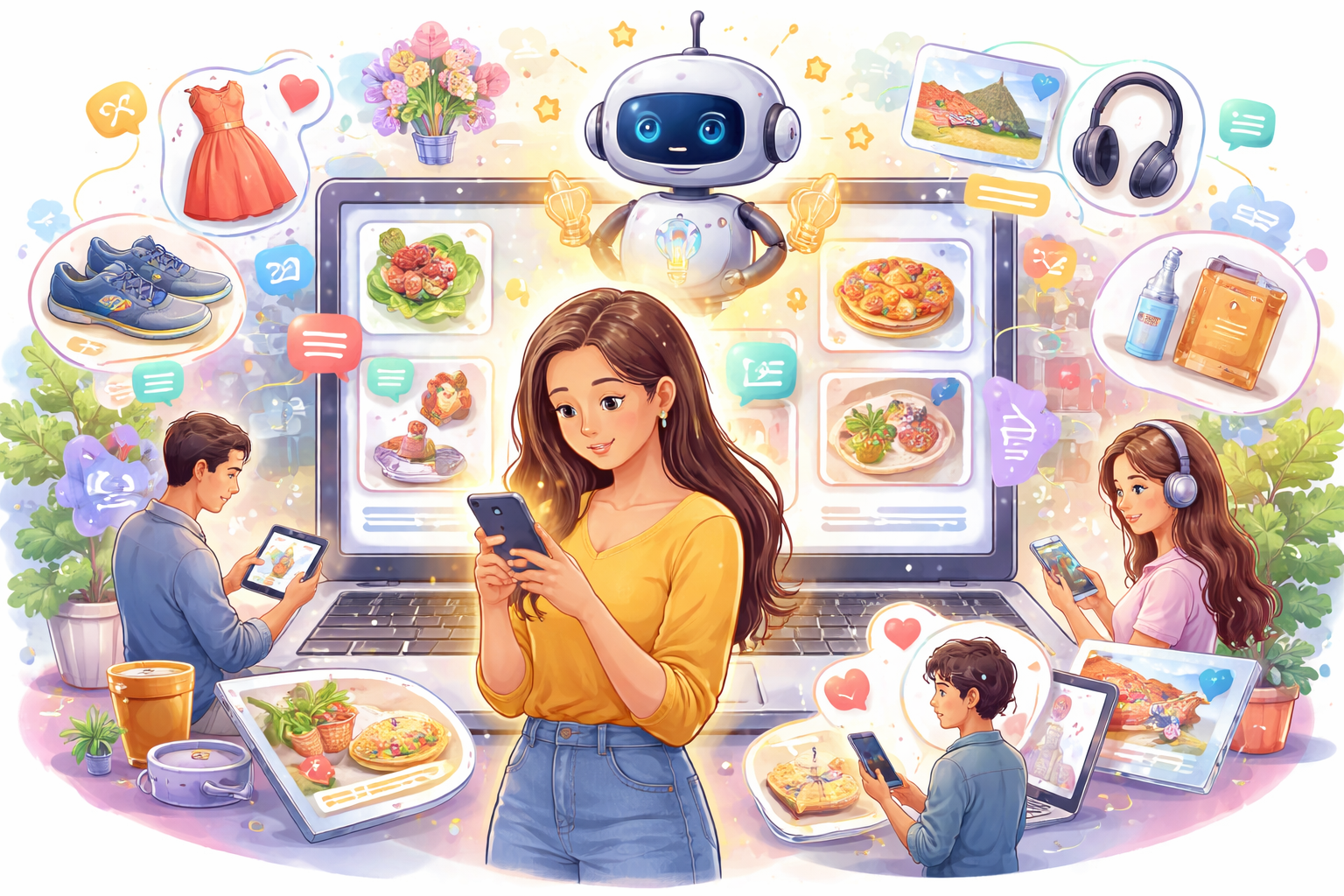
Consumers experience AI every day through recommendation systems in online retail, streaming platforms, and digital advertising. These systems analyze preferences, behavior, and context to suggest products, movies, music, and content that users are more likely to value. When done well, personalization saves time and improves discovery.
Retailers also use AI for inventory planning, customer service chat support, fraud detection, and dynamic search experiences. Shoppers may not always notice the technology, but they benefit from smoother transactions, better search results, and more relevant suggestions. The challenge for companies is to balance personalization with transparency and privacy.
Education and Everyday Learning
AI is making learning more adaptive and accessible. Educational platforms can tailor practice materials, explain difficult concepts in different ways, and provide immediate feedback. For students, this creates a more personalized learning experience. For teachers and trainers, AI can assist with planning, grading support, and content organization.
Outside formal education, AI helps people learn new skills through language apps, tutoring systems, coding assistants, and search tools that simplify complex topics. This makes self-directed learning more practical for busy professionals and lifelong learners. As a result, education is becoming less tied to fixed schedules and more integrated into daily routines.
Smart Homes and Invisible Automation
In the home, AI powers voice assistants, security systems, energy management tools, and connected appliances. These systems can recognize patterns, automate settings, and respond to routines with minimal input. Lights adjust, thermostats learn preferences, cameras detect unusual activity, and devices respond to spoken requests.
The breakthrough here is convenience combined with prediction. Rather than waiting for a command, many smart systems are moving toward anticipating needs. If designed responsibly, this can make homes more efficient, comfortable, and secure. However, it also raises important questions about data collection, consent, and device reliability.
The Importance of Trust, Safety, and Human Oversight
As AI becomes more embedded in daily life, trust becomes a central issue. People need to know when AI is being used, what data it relies on, and where its limits lie. Errors in recommendations, biased outputs, or overconfident responses can have real consequences, especially in healthcare, finance, employment, and public services.
That is why the next phase of AI progress will depend not only on stronger models, but also on better governance, clearer design standards, and responsible human oversight. The most valuable AI systems will be those that are useful, explainable, secure, and aligned with human needs. In everyday life, reliability often matters more than novelty.
Conclusion
AI breakthroughs are shaping everyday life by making technology more adaptive, predictive, and responsive. Their impact is visible in communication, healthcare, work, transportation, shopping, education, and home automation. What once seemed experimental is now becoming ordinary.
The future of AI will not be defined only by headline-making inventions, but by how effectively the technology improves daily experiences. As organizations and consumers adopt these tools more widely, the real measure of progress will be whether AI helps people live and work with greater clarity, efficiency, and confidence.