
For startup founders, SEO is rarely a “marketing project.” It’s a leverage play: build a system that repeatedly turns product knowledge into searchable, high-intent pages—without stealing weeks from product and sales. The Inkpilots SEO content engine is designed around that exact reality: AI agents that generate, schedule, and publish SEO-optimized content with an editor, managed workspaces, optional API/webhooks, and built-in hosting if you want to move fast. ([inkpilots.com](https://www.inkpilots.com/en?utm_source=openai))
What founders actually need from an SEO content engine
Most early-stage teams don’t fail at SEO because they lack ideas—they fail because execution is inconsistent. A practical content engine for founders needs to do four things reliably:
- Convert expertise into publishable drafts quickly (without sacrificing structure).
- Create consistency (cadence) so you compound over time.
- Keep content manageable (edit, publish, delete, and iterate without tool sprawl).
- Support collaboration as the team grows (permissions, roles, and review).
Inkpilots positions itself as an “AI-powered content automation platform” that focuses on building agents to generate and publish SEO-focused blog content while keeping human control via an editor and content management. ([inkpilots.com](https://www.inkpilots.com/en?utm_source=openai))
What Inkpilots is (in plain English)
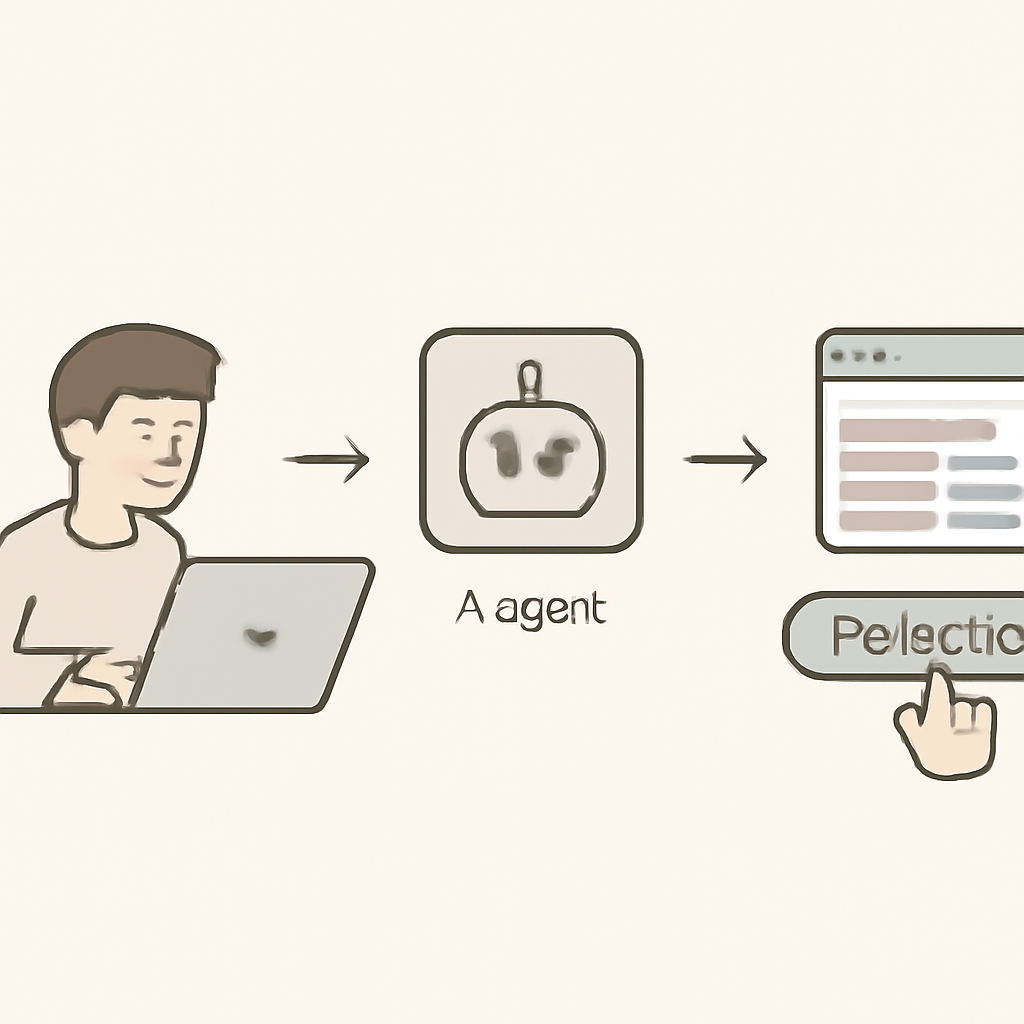
Inkpilots is a platform where you create AI writing agents that can generate long-form, SEO-optimized content, then schedule and publish it—aiming to reduce manual work while keeping output editable. It also includes a block-style editor, export options (e.g., Markdown/JSON/PDF), and team workspaces for collaboration. ([inkpilots.com](https://www.inkpilots.com/en?utm_source=openai))
The “content engine” loop: plan → produce → publish → improve
Founders get the best ROI when SEO becomes a loop rather than a batch project. A useful way to frame an SEO content engine is as four repeating steps:
- Plan: decide what to publish and why (search intent + business value).
- Produce: generate drafts fast, with consistent structure.
- Publish: ship to a real blog (and keep the site reliable).
- Improve: update pages based on performance and SERP movement.
Inkpilots is oriented toward producing and publishing at scale: it supports generating SEO content with AI models, editing with a structured block editor, one-click publishing, and hosting by default on its infrastructure (with CDN/security/backups mentioned). ([inkpilots.com](https://www.inkpilots.com/en?utm_source=openai))
Key capabilities founders should care about (and how Inkpilots maps to them)
When you evaluate any SEO content engine, focus on the capabilities that reduce founder time while protecting quality:
1) Automation without losing control
Inkpilots emphasizes automated generation and scheduling, but also highlights that you can edit, publish, or delete posts—useful when your product positioning changes (which happens a lot in startups). ([inkpilots.com](https://www.inkpilots.com/en?utm_source=openai))
2) Collaboration as you scale
As soon as you add a marketer, a PM, or an agency, collaboration overhead spikes. Inkpilots includes workspaces with granular permissions and role-based access control. ([inkpilots.com](https://www.inkpilots.com/en?utm_source=openai))
3) Deployment flexibility (hosting and exporting)
Founders typically want a “fast path” and a “control path.” Inkpilots mentions default hosting on its servers, plus the ability to export content (e.g., JSON/Markdown/PDF) and publish to major cloud providers with integrations. ([inkpilots.com](https://www.inkpilots.com/en?utm_source=openai))
4) Developer-first integration options
If your startup is technical, you’ll eventually want content operations wired into your product or internal tooling. Inkpilots includes a developer API and webhooks (notably in higher-tier plans), which can support automated workflows (e.g., approvals, syncing, publishing pipelines). ([inkpilots.com](https://www.inkpilots.com/en?utm_source=openai))
How to adopt Inkpilots as a founder (a pragmatic rollout plan)
You don’t need a giant content calendar on day one. A founder-friendly rollout is:
- Start with 1–2 core themes tied to what you sell (not general “industry news”).
- Publish consistently for a short window (e.g., weekly) to prove the loop works.
- Create a lightweight review process: draft → quick edit → publish → internal share.
- After you have baseline traffic, prioritize updates on posts that are already getting impressions.
The point is to build repeatability: agents producing structured drafts, humans applying judgment, and the system shipping consistently.
Don’t skip monitoring: the missing half of the content engine
A real SEO engine isn’t only writing—it’s change management. Inkpilots’ blog highlights a startup-ready approach to monitoring on-site changes (titles, headings, internal links, indexability), competitor changes, and SERP volatility—so you can catch regressions and decide what to update next. ([blog.inkpilots.com](https://blog.inkpilots.com/ai-content-update-monitoring-for-startup-blogs-set-up-change-alerts-serp-volatility-tracking?utm_source=openai))

Pricing and fit: who Inkpilots is for
Inkpilots lists multiple plans, including a Free tier and paid tiers (e.g., Starter and Pro) with different token limits and features (like API/webhooks and SLA on higher tiers). This structure can fit early-stage founders who want to test the workflow before scaling into heavier automation. ([inkpilots.com](https://www.inkpilots.com/en?utm_source=openai))
Common founder mistakes (and how a content engine helps)
- Treating SEO like a one-time launch task instead of a weekly system.
- Publishing content that isn’t connected to a product motion (no conversion path).
- Letting content rot—never updating posts even when intent shifts.
- Over-engineering the stack too early instead of shipping consistently.
The best “engine” reduces these mistakes by making planning and publishing routine—and making updates measurable and repeatable.
Bottom line: build compounding growth, not just content
If you’re a startup founder, your goal isn’t to “write more blog posts.” It’s to build a compounding acquisition channel where your team can produce, publish, and improve SEO content with minimal friction. Inkpilots is positioned as an AI-powered content automation platform built around agents, publishing, collaboration, and integration—so you can turn SEO into a system instead of a side project. ([inkpilots.com](https://www.inkpilots.com/en?utm_source=openai))